Solar energy is one of the best ways to reduce electricity bills and protect the environment. Once you install solar panels at home, your rooftop becomes a mini power plant. But just like any machine, your solar system needs regular care to perform at its best.
In India’s climate—dusty cities, heavy monsoons, bird droppings, and extreme sunlight—solar panel maintenance is essential. This guide will help homeowners clean, check, and maintain their solar panels easily. Learn how to boost efficiency, increase lifespan, and keep your energy savings high.
Why Regular Solar Panel Maintenance Matters
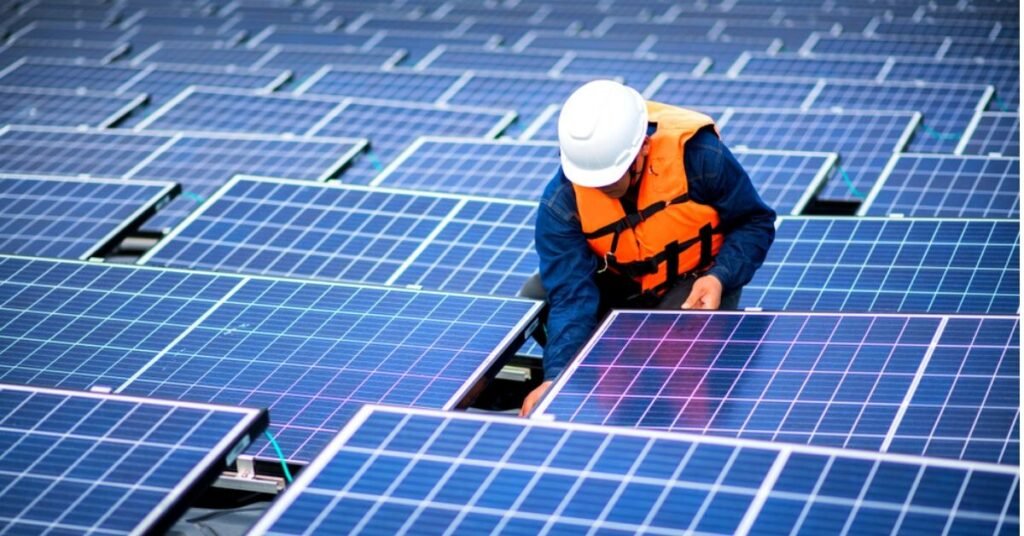
Solar panels convert sunlight into electricity. But over time, dust, leaves, bird droppings, and pollution block sunlight. This lowers energy production. In Indian cities like Delhi, Mumbai, and Chennai, dirty panels can lose 20–30% of their power output.
Also, loose wires, water leakage, rust, and micro-cracks can damage your panels. These issues reduce system life and lead to higher costs. Regular cleaning and check-ups protect your investment and ensure your home solar system works smoothly.
How Often Should You Clean Solar Panels in India?
The cleaning schedule depends on your location:
- Rural areas (low dust): Clean every 6–12 months
- Urban areas (medium dust): Clean every 3–4 months
- Industrial, coastal, or high-traffic areas: Clean monthly or every 6–8 weeks
If you live near construction sites, busy roads, or under trees, inspect your panels more often.
Also Read Solar Panel Output Explained: How Much Energy Does a Solar Panel Produce?
Best Time and Tools for Solar Panel Cleaning
Cleaning at the right time is important. Here’s how to do it safely and effectively:
Ideal Time:
- Early morning or late evening when the panels are cool
- Avoid direct sun or hot afternoons to prevent damage from sudden temperature change
Basic Cleaning Kit:
- Soft brush or sponge
- Mild detergent or plain water
- Rubber squeegee
- Clean cloth or microfiber towel
- Long-handle wiper for rooftop panels
Avoid harsh chemicals, metal tools, or high-pressure water that may scratch or damage the glass.
Step-by-Step Solar Panel Cleaning Process
- Switch off your solar system for safety.
- Rinse panels with clean water to remove dust and debris.
- Use a soft sponge and mild soapy water to clean the surface.
- Wipe in circular motion to avoid streaks or marks.
- Rinse again with water.
- Dry using a soft towel or let it air dry.
If your roof is high or difficult to access, call a professional solar panel cleaning service.
Monthly Solar Panel Inspection Checklist
You don’t need tools to spot basic problems. Use this list to check your system every month:
- Are there any visible cracks, scratches, or broken glass?
- Do you see bird droppings, fallen leaves, or dust buildup?
- Are mounting structures tight and rust-free?
- Are wires hanging or chewed by rodents?
- Is your inverter showing error messages or red lights?
If you notice anything unusual, call your solar installer for help.
Professional Solar Maintenance Once a Year
Every 12 months, call a certified solar technician to:
- Measure solar power output and system voltage
- Check electrical wiring and inverter health
- Inspect mountings and waterproofing
- Detect micro-cracks or corrosion
- Clean hard-to-reach areas with proper tools
This annual service keeps your system running efficiently and reduces repair costs later.
Use a Solar Monitoring App
Many solar inverters come with mobile apps. These show real-time electricity production. If you see a sudden drop in performance, it could mean cleaning or repair is needed.
Apps also help track your monthly savings and return on investment.
Special Tips for Indian Weather Conditions
During Summer:
- Panels can get very hot. Clean early morning.
- Watch out for thermal expansion causing cracks.
During Monsoon:
- Rain helps remove dirt but may leave watermarks.
- Check for leaks and electrical shorts.
During Winter:
- Dust and smog increase in northern India. Clean more often.
- Wipe off morning dew or fog moisture.
Are Automatic Panel Cleaning Systems Worth It?
Some large installations use robotic or water spray systems. These work well for commercial solar farms. But for small home solar systems, manual cleaning is more affordable and practical.
However, waterless brush systems can be a good upgrade for homes in very dusty areas like Rajasthan or Haryana.
Solar Maintenance Costs in India
- DIY cleaning: ₹0 to ₹200 (basic tools and water)
- Professional cleaning: ₹500 to ₹2,000 per visit
- Annual maintenance contract (AMC): ₹2,000 to ₹6,000 depending on system size
Compared to the savings you make every month, maintenance is a small cost with big returns.
Summary Table: Solar Panel Maintenance at Home
| Task | Frequency | DIY or Pro |
|---|---|---|
| Basic Cleaning | 3–6 months | DIY or Pro |
| Visual Inspection | Monthly | DIY |
| Output Monitoring | Daily/Weekly | DIY (App-based) |
| Annual Electrical Checkup | Yearly | Professional |
| Inverter Status Check | Weekly | DIY |
Frequently Asked Questions (FAQs)
Q1: Can I clean solar panels with tap water?
Yes, but in hard water areas, use filtered or RO water to prevent mineral spots.
Q2: Is it safe to walk on solar panels?
No. Never walk on panels. It can crack the glass or damage cells inside.
Q3: What if I don’t clean my panels?
Dirty panels produce less energy. You’ll lose efficiency and increase electricity bills.
Q4: Can rain clean my panels completely?
Rain helps, but not enough in dusty or polluted regions. Manual cleaning is still needed.
Q5: Do panels lose warranty if I clean them myself?
No, as long as you clean gently and follow safety instructions.
Final Thoughts
Maintaining your solar panels at home is easy and budget-friendly. With just a little care every few months, you can ensure maximum solar power output, lower energy bills, and a longer system life.
Solar energy is a long-term investment—and like any investment, it needs protection. So grab a sponge, check your panels, and let your rooftop keep shining.