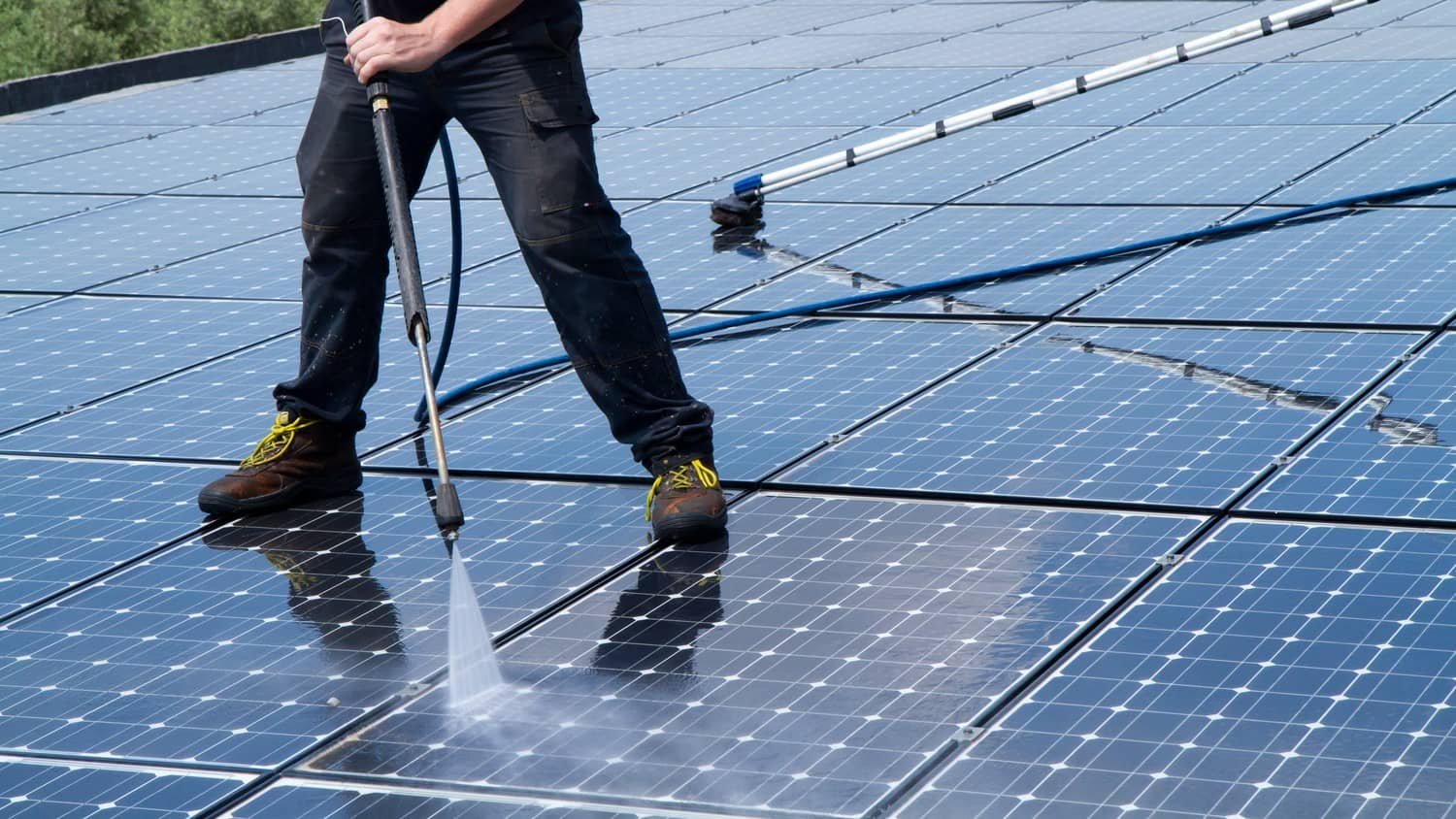
Solar panels are a long-term investment that can save you money on electricity bills while supporting a cleaner environment. But to get the best performance, they must be properly maintained. One of the most important parts of solar panel care is cleaning. Dust, dirt, bird droppings, and pollution can reduce efficiency and affect energy production. Many homeowners in India face challenges like heavy dust in summer, monsoon rains, and even industrial pollution, which makes regular cleaning essential.
In this guide, we will explore the dos and don’ts of solar panel cleaning, why it is important, the right methods to use, and mistakes to avoid. By the end, you will have a clear idea of how to keep your solar panels working at their best.
Why Solar Panel Cleaning is Important
Solar panels work by absorbing sunlight and converting it into electricity. If their surface is blocked by dust or grime, the amount of sunlight reaching the solar cells decreases. This reduces the system’s efficiency and increases the payback period of your solar investment.
For Indian homes and businesses, the problem is bigger because:
- Summers bring high dust levels.
- Cities have pollution and smog.
- Bird droppings are common in residential areas.
- Monsoon rains sometimes leave mud stains instead of cleaning the panels.
Studies show that dirty panels can lose 15–25% of their efficiency if not cleaned for several months. For commercial installations, this loss can translate into lakhs of rupees.
How Often Should You Clean Solar Panels?
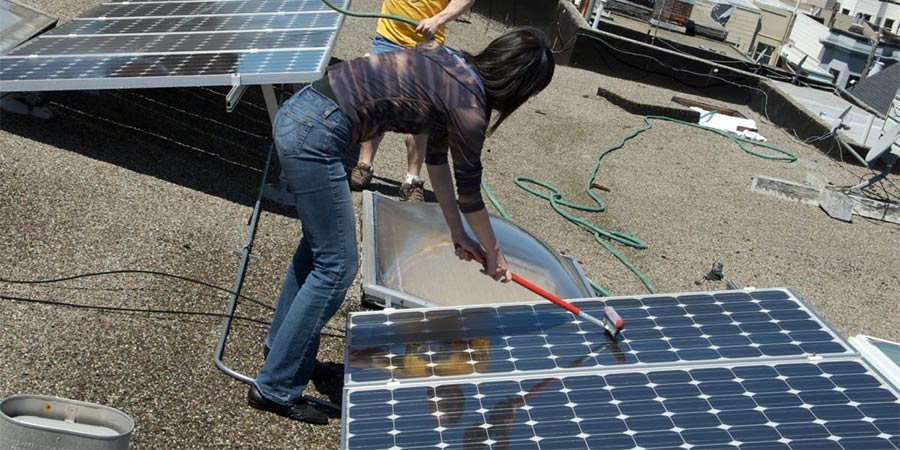
The frequency of cleaning depends on location, weather, and surroundings.
- Urban homes: Once every 2–3 months due to pollution and dust.
- Rural or semi-urban homes: Every 1–2 months because of higher dust levels.
- Industrial areas: Monthly cleaning may be required.
- During monsoon: Inspect after rains, as muddy water may stick to panels.
- Near the coast: Salt deposits need more frequent cleaning.
For most Indian homes, quarterly cleaning is usually enough, but regular inspections will help you decide the right schedule.
Also Read What Affects Solar Panel Performance? Key Factors Every Homeowner Should Know
Dos of Solar Panel Cleaning
1. Use Clean, Soft Water
Always use clean water for washing panels. Hard water can leave mineral deposits and damage the surface. If possible, use filtered water.
2. Clean During Early Morning or Evening
Panels get very hot during the day. Cleaning them in the afternoon can cause sudden temperature differences, which may crack the glass. Early morning or evening cleaning is safer and more effective.
3. Use a Soft Cloth or Sponge
Microfiber cloths, sponges, or soft brushes are ideal. They clean without scratching the glass.
4. Turn Off the Solar System Before Cleaning
For safety, always switch off the inverter and isolate the system before starting the cleaning process.
5. Remove Loose Dust Before Washing
Use a dry, soft brush or air blower to remove loose dust. This prevents scratches during wet cleaning.
6. Check Manufacturer’s Instructions
Different solar panels may have specific cleaning guidelines. Always check your solar provider’s manual before cleaning.
7. Inspect While Cleaning
Cleaning time is also a good chance to check for cracks, loose wiring, or shading from nearby trees.
Don’ts of Solar Panel Cleaning
1. Don’t Use Harsh Chemicals
Avoid soaps, detergents, or cleaning agents. They can damage the anti-reflective coating on panels.
2. Don’t Use Pressure Washers
High-pressure jets can crack the glass or damage seals. A gentle flow of water is best.
3. Don’t Walk on Panels
Walking on solar panels can cause micro-cracks that reduce efficiency over time.
4. Don’t Clean Panels When Hot
As mentioned earlier, cleaning during peak sunlight can cause thermal stress and cracks.
5. Don’t Ignore Safety
If panels are on the rooftop, take precautions against slipping. Use safety belts or hire professionals for high or sloped roofs.
6. Don’t Overclean
Cleaning too frequently with water may wear out coatings or seals. Clean only when dirt buildup is visible or energy output drops.
DIY Cleaning vs Professional Cleaning
- DIY Cleaning: Suitable for small residential systems, especially when panels are easily accessible. You can use a garden hose, soft sponge, and bucket of clean water.
- Professional Cleaning: Recommended for large systems, hard-to-reach rooftops, or commercial projects. Professionals use safety equipment and specialized cleaning solutions.
In India, many solar companies now offer Annual Maintenance Contracts (AMCs) that include cleaning services. This ensures safety, saves time, and guarantees better performance.
Safety Tips for Solar Panel Cleaning
- Wear non-slippery shoes when on rooftops.
- Avoid cleaning during rain or thunderstorms.
- Use ladders carefully and avoid overreaching.
- If unsure, hire a professional service provider.
Impact of Dirty Solar Panels on Energy Bills
Unclean panels not only reduce efficiency but also increase your reliance on grid electricity. For example:
- A 5 kW solar system can generate around 20 units per day in India.
- If dirty panels reduce efficiency by 20%, you lose 4 units daily.
- Over a year, this equals 1,400+ units lost, which could mean ₹8,000–₹10,000 extra on bills depending on tariffs.
Regular cleaning is not just maintenance—it’s financial savings.
FAQs on Solar Panel Cleaning
Q1: Can rain clean solar panels naturally?
Rain helps remove some dust but is not enough. Mud, bird droppings, and pollution residues remain.
Q2: What is the safest way to clean solar panels?
Turn off the system, use soft water, and gently wipe with a microfiber cloth.
Q3: Can I use regular tap water?
Yes, but hard water may leave stains. Using filtered or RO water is better.
Q4: How do I know my panels need cleaning?
If you notice a sudden drop in energy production or see visible dirt, it’s time to clean.
Q5: Is professional cleaning expensive?
Costs vary, but for homes, it usually ranges between ₹500–₹2,000 per visit depending on roof access and panel numbers.
Final Thoughts
Solar panels are built to last for decades, but their performance depends on proper care. Regular cleaning ensures maximum sunlight absorption, better efficiency, and quicker return on investment. For Indian homes and businesses, where dust and pollution are common, cleaning is not optional—it is a necessity.
Following the dos and don’ts of solar panel cleaning will help you keep your system safe, efficient, and long-lasting. Whether you do it yourself or hire professionals, make cleaning a regular part of your solar maintenance plan.
With clean panels, you get clean energy and maximum savings on your electricity bills.